Shingles out of place
Missing, lifted or cracked shingles may leave the layers below exposed.
When the weather has passed
Wind, hail and falling debris can leave more than a visible mess. Start with a safe look from the ground. We can help make sense of what happened overhead.
Ask about storm damage What to do first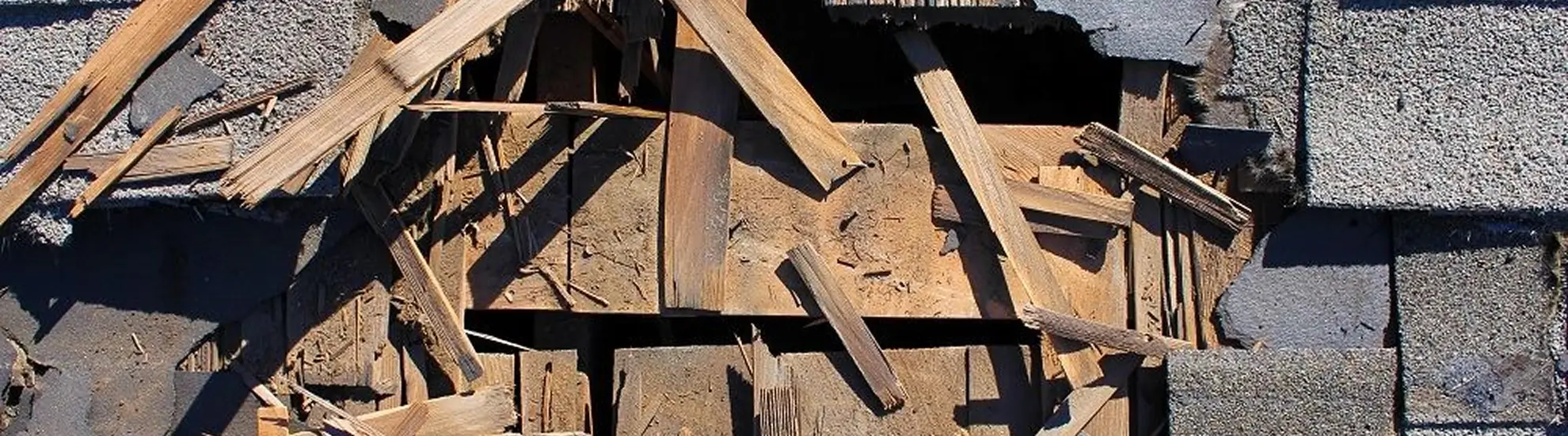
Tell the local team in Huron what’s going on. We’ll take it from there.
Do not climb onto a storm-damaged roof. If there are downed power lines or signs of structural danger, stay clear and contact your utility or emergency responders. Your safety comes before a closer look.
A safer first assessment
From the ground, photograph visible conditions if it is safe. Inside, check ceilings and the attic for stains, dampness or drips. Write down when you first saw the problem and keep receipts for any emergency work.
Missing, lifted or cracked shingles may leave the layers below exposed.
Hail, falling branches and other debris can affect shingles and roof components.
New ceiling stains, attic moisture or active drips deserve a closer look.
Flashing and roof vents can be damaged even when the larger roof surface looks intact.
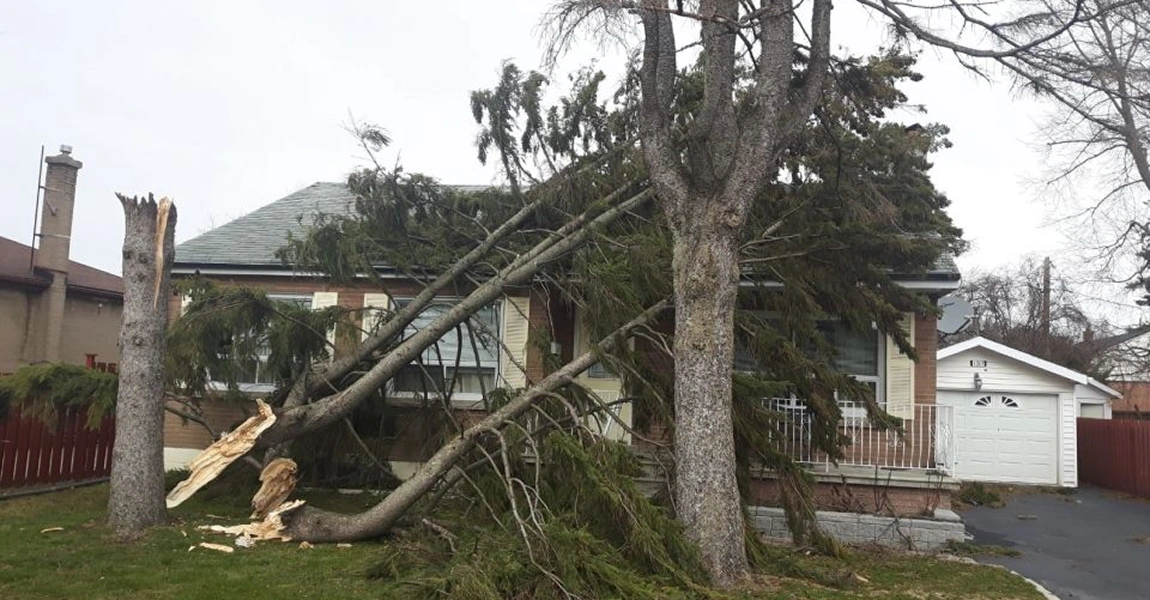
What you see outside may only be part of the story.
How we approach the work
Every roof and every storm is different. The first step is understanding what is there—not assuming the answer.
Share the date of the storm, what you have noticed and whether water is entering the house. Photos taken safely from the ground can help.
We assess accessible roof conditions and photograph visible damage, then explain what we found and what work may be appropriate.
If conditions and access allow, temporary tarping or other stabilization may help while the permanent work is planned. Availability depends on the situation.
We discuss a repair scope and estimate, then perform the agreed work. If the inspection points to a different scope, we talk it through before moving ahead.
For the next conversation
If damage is confirmed, Horvath can provide a roof inspection report, damage photos and a repair estimate for you to share with your insurer.
Your insurer determines coverage. Confirm your policy, deductible and deadlines directly with them.
Read our claim guideGood questions after bad weather
Clear answers before you make a decision about the roof.
Stay off the roof. From a safe location, note what you can see, take ground-level photos and check ceilings or the attic for new moisture if it is safe to do so. Keep receipts for any emergency work. If you see downed power lines or structural hazards, stay clear and contact your utility or emergency responders.
Missing or lifted shingles, impact marks, damaged vents or flashing, and new water stains are reasons to request an inspection. Some conditions are difficult to see from the ground; do not climb onto the roof to investigate.
Temporary tarping or stabilization may be an option when conditions, access and safety allow. We assess what is appropriate at the property; a tarp is a temporary measure, not a substitute for a repair.
Your insurer decides whether a loss is covered under your policy. If damage is confirmed, Horvath can provide an inspection report, damage photos and a repair estimate for you to share. Confirm your coverage, deductible, filing deadlines and claim requirements directly with your insurer.
Not automatically. The right scope depends on the location and extent of damage and the roof’s condition. An inspection helps determine whether a targeted repair or a broader conversation is appropriate.
Huron · Erie · Ottawa · Sandusky counties
Tell us about the storm, the damage you can see and any water you have noticed inside. Select “Storm damage” as the project type when you contact us.
Based here. Working nearby.
Real neighbors.Our crew starts in Huron and serves homes across four Northern Ohio counties. The live map stays off until you choose to load external media.
Illustrated field note · Not a street map
At Horvath Roofing Inc., we’re proud to serve the communities we call home. Locally rooted since 1998, our team provides trusted roofing service throughout Huron, Erie, Sandusky, and Ottawa Counties.
Looking for a roofing contractor near you? If you’re located in or around these counties, we’ve likely completed a project just down the street.
Not sure if we reach your address? Find us at 911 University Dr S, Huron, OH 44839